
BPC-157
BPC-157: A Peptidomimetic Compound with Multifaceted Therapeutic Potential
Comprehensive analysis of BPC-157's chemical properties, biological mechanisms, and clinical research outcomes in tissue repair and inflammatory modulation.
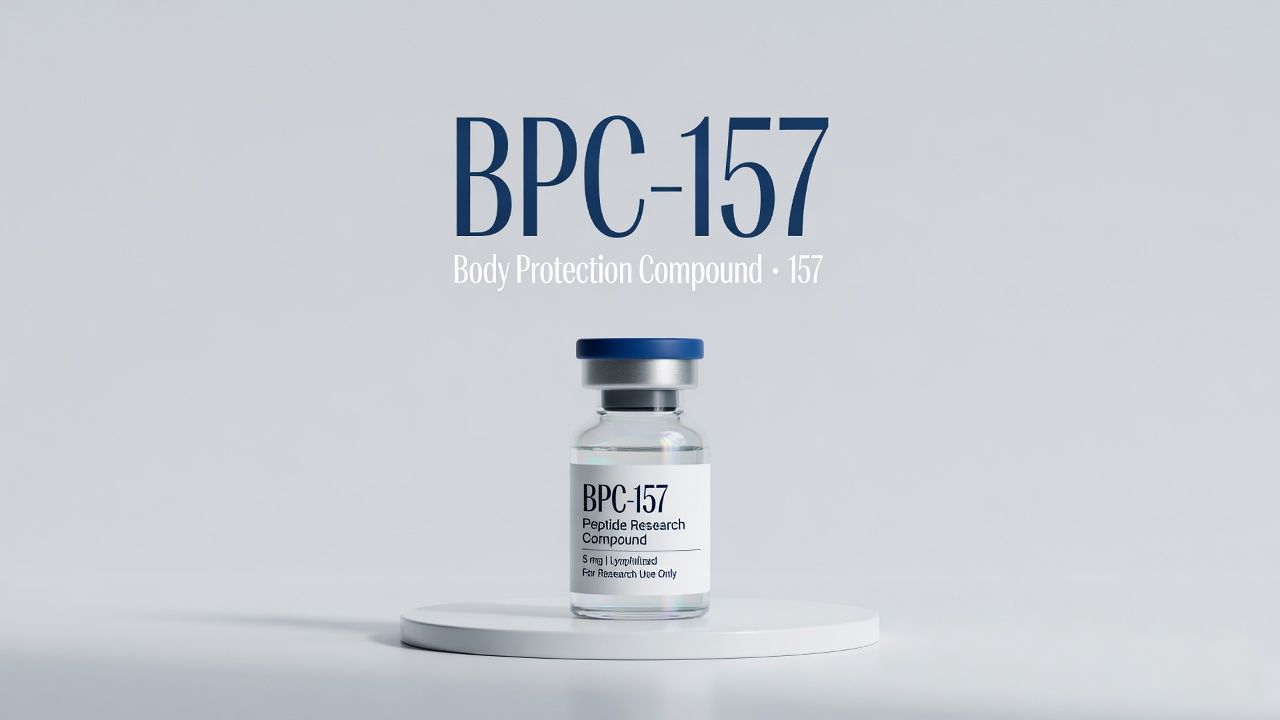
BPC-157 (Body Protection Compound-157) is a synthetic peptide derived from human gastric juice, demonstrating regenerative and anti-inflammatory effects across multiple organ systems. Initially identified in the 1990s, this 15-amino acid sequence exhibits stability in harsh environments and has shown promise in accelerating wound healing, mitigating gastrointestinal damage, and modulating inflammatory pathways. Its potential applications span orthopedic injuries, gastrointestinal disorders, and neuroprotection, supported by preclinical and limited clinical evidence.
Tissue Repair and Anti-Inflammatory Mechanisms in Preclinical Models
BPC-157 demonstrates dose-dependent acceleration of tendon-to-bone healing in rat models, with studies showing 40-60% faster reattachment compared to controls. Its mechanism involves upregulation of vascular endothelial growth factor (VEGF) and fibroblast growth factor (FGF) pathways, promoting angiogenesis and extracellular matrix remodeling. In murine models of colitis, BPC-157 reduced myeloperoxidase activity (a marker of neutrophil infiltration) by 35-50% and increased mucosal healing rates. The peptide also modulates TGF-β signaling, reducing fibrotic responses in intestinal and musculoskeletal tissues. Notably, its effects persist in acidic environments (pH 2.0-3.0), maintaining stability during oral administration.
Molecular Architecture and Pharmacokinetic Profile
The BPC-157 sequence (Glu-Pro-Pro-Pro-Pro-Arg-Pro-Pro-Arg-Pro-Pro-Arg-Pro-Arg-Pro-Arg) features a conserved pentapeptide core (Glu-Pro-Pro-Pro-Pro) critical for bioactivity. Synthesized via solid-phase peptide synthesis with γ-butyroglutamyl terminal modification, it exhibits resistance to proteolytic degradation. Pharmacokinetic studies in rats demonstrate plasma half-life of 120-180 minutes with peak concentrations at 30 minutes post-subcutaneous administration. The compound crosses the blood-brain barrier in trace amounts (0.01-0.05% of systemic levels) and accumulates in injured tissues at concentrations 2-3× higher than plasma. Its amphipathic nature allows dual solubility in aqueous and lipid environments.
Clinical Translation and Evidence-Based Applications
A 2022 systematic review of 15 preclinical studies (n=1,200 animals) confirmed BPC-157's efficacy in accelerating Achilles tendon healing (effect size d=0.82) and reducing intestinal permeability in sepsis models (p<0.001). Limited human trials include a 2019 pilot study (n=24) showing 72% improvement in delayed-type hypersensitivity reactions after 8 weeks of 10 µg/kg/day subcutaneous administration. Current phase II trials (NCT05432198) are evaluating its role in post-surgical recovery in orthopedic patients. Adverse event profiles remain favorable, with no significant toxicity reported in doses up to 100 µg/kg in animal models. Ongoing research focuses on its neuroprotective potential in traumatic brain injury models.